Writing & Teaching
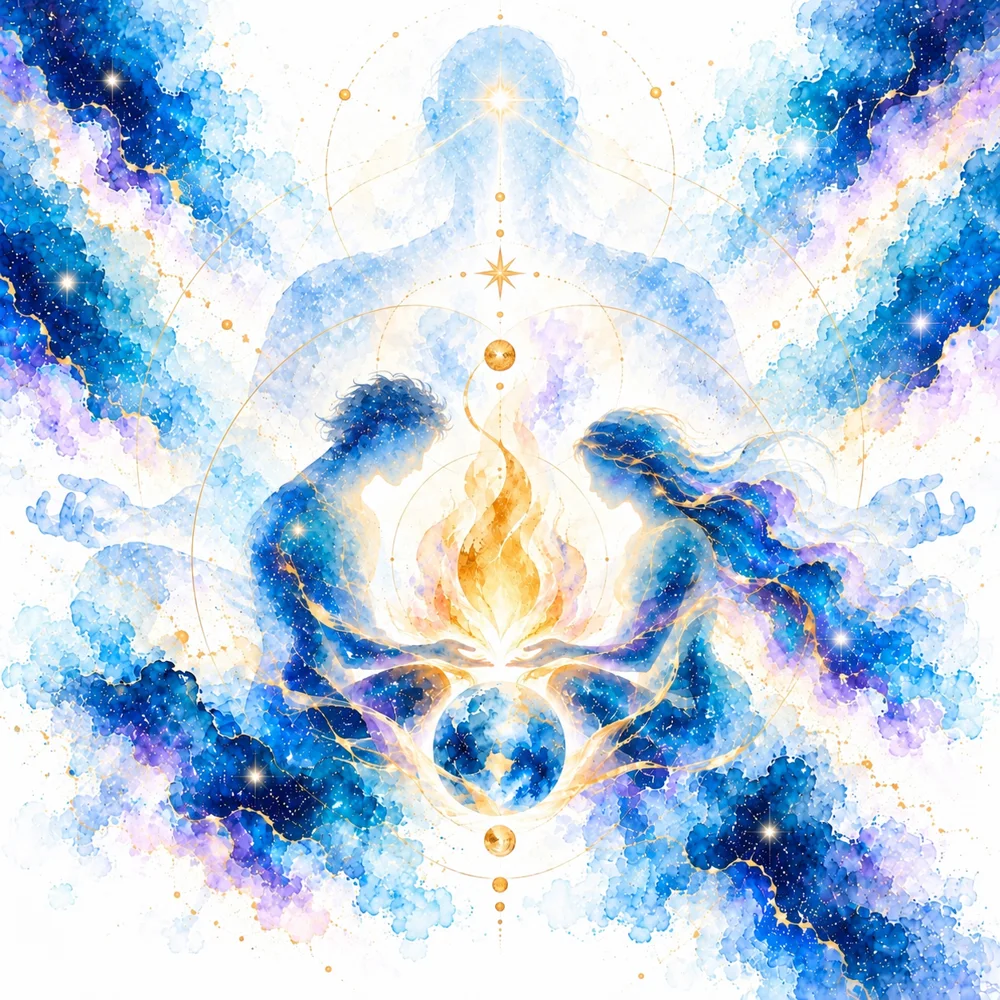
Relational Alchemy
Over the years, my clinical work has led me into a broader inquiry about what allows people not only to heal, but to become more whole, more connected, and more fully alive.
Again and again, I have found myself returning to relationship.
Our relationship with ourselves.
Our relationships with other people.
Our relationship with our bodies, our communities, the natural world, and the larger life of which we are a part.
This inquiry has gradually developed into a body of writing and teaching that I call Relational Alchemy.



Relationship as a foundation for health and development
Relational Alchemy begins with a simple idea:
Much of human health is relational health.
We are shaped through relationship from the beginning of life.
Our nervous systems develop in relationship. Our sense of self develops in relationship. We learn trust, safety, intimacy, independence, empathy, and belonging through our encounters with other people and the environments around us.
And development continues throughout life.
The quality of our relationships affects not only how supported or connected we feel, but also how able we are to grow, reflect, adapt, take in new perspectives, recover from difficulty, and participate meaningfully in the world.
Relational Alchemy explores what becomes possible when we begin to approach these relationships more consciously.
Connection without losing ourselves
Healthy relationship is not simply closeness.
It requires both connection and differentiation.
We need to be able to know our own experience, values, needs, and boundaries while also remaining open to the experience of another person.
Too much separation can leave us isolated.
Too much merging can leave us disconnected from ourselves.
Much of relational development involves learning to hold both.
- How do we remain ourselves while allowing another person to matter deeply?
- How do we stay open without losing our boundaries?
- How do we care for another person without abandoning our own needs?
- How do we remain connected through disagreement, difference, disappointment, and change?
These questions are central both to psychotherapy and to Relational Alchemy.
Relationship with ourselves
The same principles also apply inwardly.
Our inner lives contain thoughts, emotions, bodily reactions, memories, longings, fears, and different parts of ourselves that do not always agree.
We can relate to those experiences with judgment, avoidance, control, or rejection.
Or we can gradually learn to meet them with greater awareness, curiosity, compassion, and discernment.
The more able we become to remain in relationship with our own inner experience, the less likely we are to be unconsciously driven by it.
This inner relationship creates more room for choice, integration, and freedom.
Expanding circles of relationship
Relational Alchemy also looks beyond the individual and the couple.
We live within families, communities, cultures, ecosystems, and larger social worlds.
Our well-being is shaped by those relationships, and our choices also shape the systems around us.
Part of human development may involve gradually expanding the circles of what we are able to care about, take perspective on, and feel responsible toward.
The work begins close to home, but it does not necessarily end there.
Meaning, belonging, and the larger life
Many people today describe feeling disconnected even when their lives appear full.
We may be busy, productive, and constantly connected through technology while still longing for deeper belonging, meaning, intimacy, or a sense of participation in something larger than ourselves.
Relational Alchemy explores these longings without assuming that there is one answer to them.
For some people, the path may involve deeper intimacy.
For others, community, creativity, service, nature, spiritual practice, or a renewed relationship with the body.
Often it involves rediscovering forms of connection that have been neglected.
A bridge between psychology and the larger questions of being human
Relational Alchemy draws from many of the same traditions that inform my clinical work, including developmental psychology, attachment, interpersonal neurobiology, parts-oriented work, somatic approaches, mindfulness, and depth psychology.
It also reaches beyond psychotherapy into contemplative traditions, philosophy, spirituality, systems thinking, and our relationship with the living world.
My intention is not to create another complicated theory of how people should live.
It is to translate these perspectives into recognizable human experience and practical ways of becoming more aware of how we relate.
The Relational Alchemy project
Relational Alchemy is becoming the home for a larger body of work beyond my psychotherapy practice.
It includes:
- A forthcoming book on relational health, development, healing, and connection
- Essays exploring the emotional and relational longings that shape our lives
- Practices for cultivating greater awareness, intimacy, differentiation, and connection
- A growing Substack community
- Future workshops, groups, and retreats
If these ideas speak to you, you are welcome to explore the larger project.